Balance and Stability for Enhanced Independence
Explore practical approaches to maintaining and improving balance throughout life for greater confidence and independence.
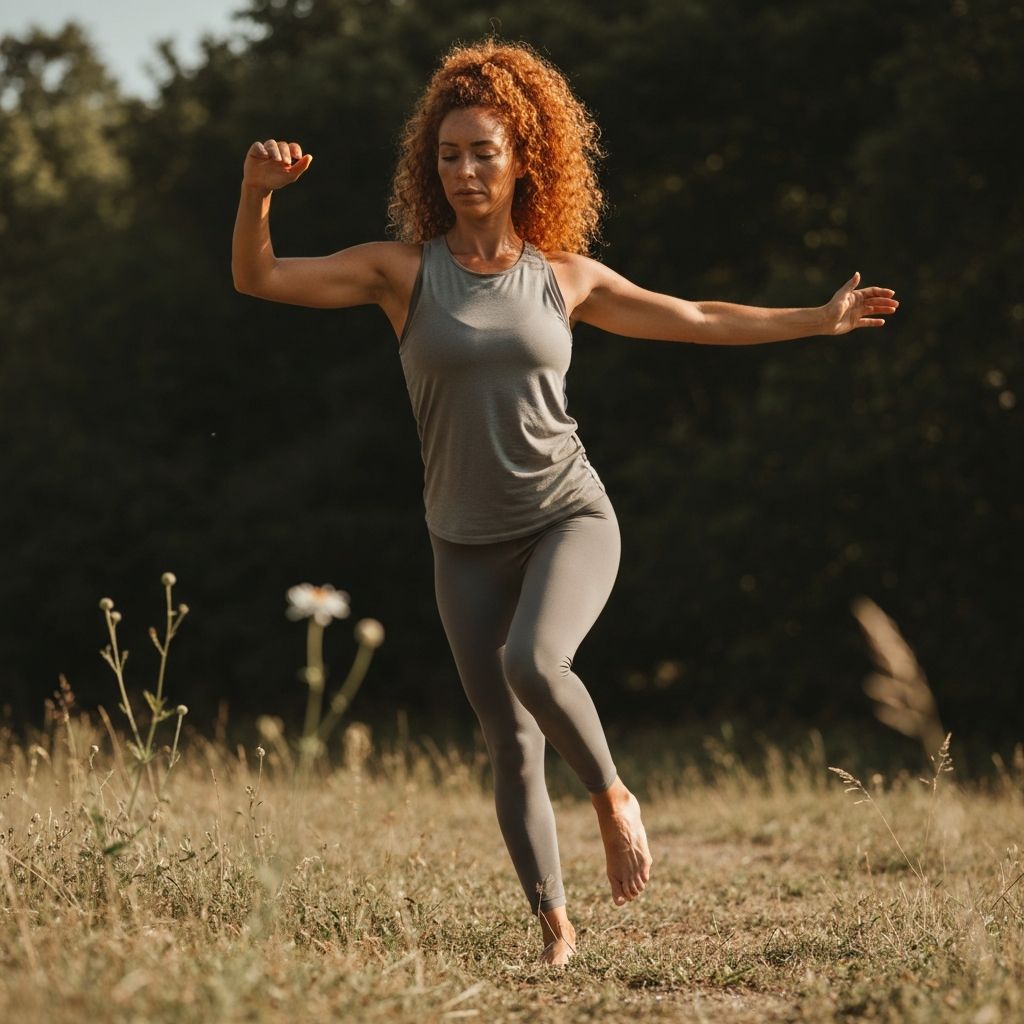
Understanding Balance
Balance is the ability to maintain control of the body's center of gravity through coordination of sensory information, muscle responses, and postural adjustments. Good balance is essential for daily activities, mobility, and independence.
Balance depends on the integration of visual, vestibular (inner ear), and proprioceptive (body awareness) systems working together with neuromuscular control. Like any physical system, balance can be maintained and improved through consistent practice.
Systems Supporting Balance
Vestibular System
Located in the inner ear, this system detects head position and movement, sending signals to stabilize vision and posture. It is crucial for maintaining balance and spatial orientation.
Proprioception
The body's sense of position in space, detected through receptors in muscles, tendons, and joints. Proprioception provides constant feedback about body position and movement.
Visual System
Vision provides information about the environment and body position relative to surroundings, contributing significantly to balance control.
Musculoskeletal System
Adequate strength, particularly in core and leg muscles, is essential for maintaining posture and responding to balance challenges.
Practical Balance Training Approaches
Balance and Daily Independence
Maintaining good balance supports:
Progressive Balance Training
Balance training works best when progressive and consistent:
Important Limitation & Context
The information provided on this website is for general educational purposes only and is not intended as medical advice. It does not replace professional consultation, diagnosis, or treatment. Individual needs and health conditions vary, and what is suitable for one person may not be for another. Always consult with a qualified healthcare professional before making any decisions related to your health or well-being.
Explore More Topics
Return to our knowledge hub to discover other articles on active longevity and well-being.
View All Articles