Pathways to Enhanced Vitality
Discover the foundations of active longevity and learn how maintaining mobility and flexibility contributes to a vibrant life beyond forty.
Educational Content Only. No Promises of Outcomes.
Introduction to Active Longevity
Active longevity represents a holistic approach to living a dynamic, engaging life as we age. It emphasizes maintaining physical capability, mental acuity, and emotional well-being throughout the decades. Rather than viewing aging as decline, active longevity frames it as an opportunity to continue pursuing meaningful activities, relationships, and experiences.
The benefits of active longevity extend beyond physical health. Research consistently shows that individuals who maintain regular physical activity, social engagement, and cognitive stimulation experience improved overall quality of life. This section explores the foundational concepts that underpin this approach to aging.
The Science Behind Mobility
Understanding how our bodies move is key to maintaining mobility throughout life. Mobility depends on the coordinated function of multiple systems: bones provide structure, muscles generate force, joints allow movement, and the nervous system coordinates everything.
Bone Structure
Bones serve as the framework of the body. They provide support for muscles and protect vital organs. Throughout life, bones constantly regenerate, making proper nutrition and regular weight-bearing activity essential for maintaining bone density.
Muscle Function
Muscles attach to bones and generate the force needed for movement. They also stabilize joints and maintain posture. Regular movement and strength-building activities help preserve muscle mass, which naturally declines with age if not actively maintained.
Joint Mechanics
Joints are where bones meet and movement occurs. They are supported by cartilage, ligaments, and synovial fluid. Maintaining proper hydration, engaging in regular movement, and avoiding prolonged immobility help preserve joint health and function.
Nutritional Pillars for Bone & Joint Health
Nutrition plays a fundamental role in maintaining strong bones and healthy joints. Specific nutrients support the structural integrity of connective tissues and promote overall musculoskeletal well-being.
| Nutrient | General Role | Common Sources |
|---|---|---|
| Calcium | Primary mineral in bone structure; essential for bone density and strength | Dairy products, leafy greens, fortified plant-based alternatives |
| Vitamin D | Facilitates calcium absorption and supports bone mineralization | Fatty fish, egg yolks, sunlight exposure, fortified foods |
| Magnesium | Involved in bone formation and muscle function; supports overall mineral metabolism | Nuts, seeds, leafy greens, whole grains, legumes |
| Collagen | Primary structural protein in connective tissue; provides elasticity and strength | Bone broth, fish, poultry, citrus fruits (vitamin C supports collagen synthesis) |
| Protein | Building block for muscle tissue; supports overall musculoskeletal maintenance | Lean meats, fish, eggs, legumes, dairy products |
Key Insight: A balanced diet rich in whole foods provides the nutritional foundation for healthy bones and joints. Rather than relying on isolated supplements, focus on consuming a variety of nutrient-dense foods that naturally contain these essential elements.
Benefits of Daily Flexibility Routines
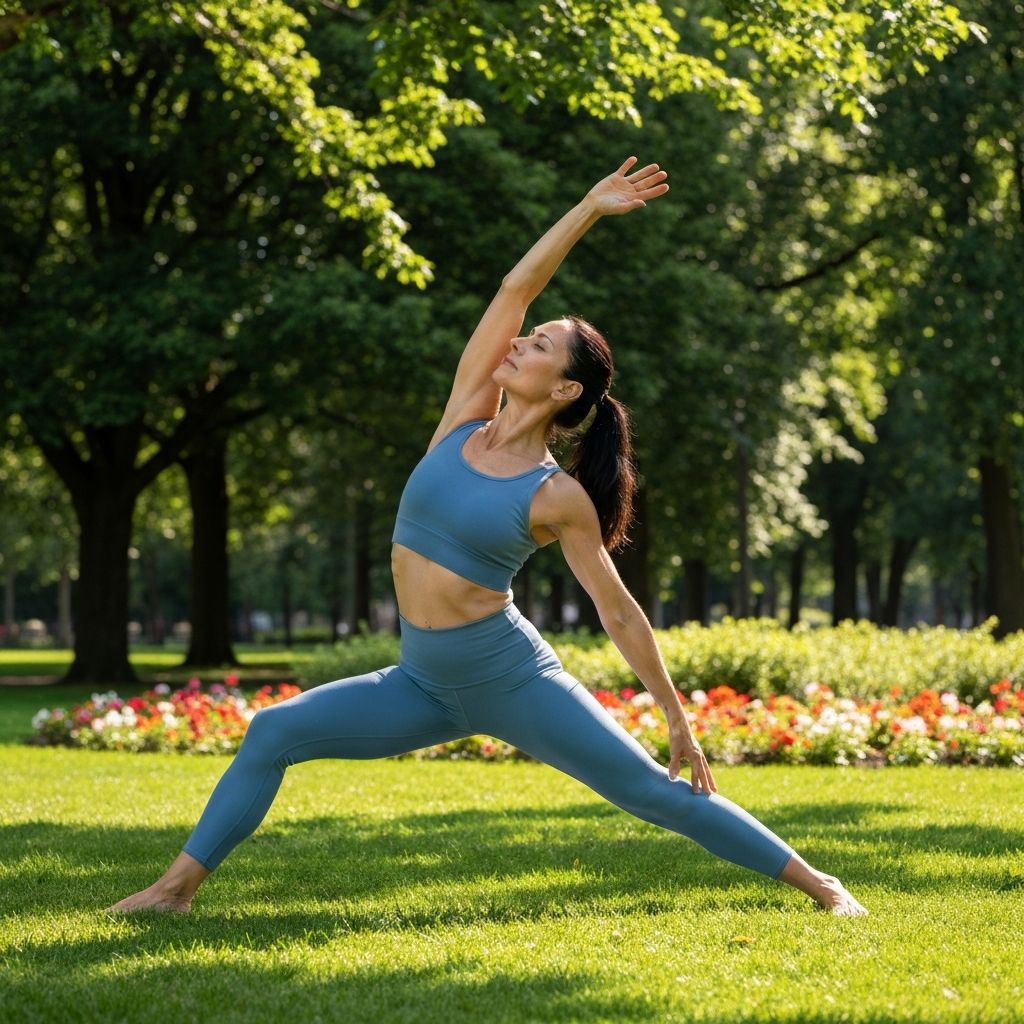
Regular flexibility and stretching practices contribute significantly to maintaining range of motion and reducing physical stiffness. These routines can be gentle and accessible, making them suitable for individuals at various fitness levels.
Understanding Age-Related Changes
As we age, our bodies naturally undergo various changes. These are normal physiological processes, not disease states. Understanding these changes helps us make informed lifestyle choices to support continued vitality.
Changes in Muscle Composition
Muscle mass naturally decreases with age, a process called sarcopenia. Regular strength training and adequate protein intake help slow this process and maintain functional capacity.
Flexibility and Range of Motion
Connective tissues become less elastic over time, which may reduce flexibility. Consistent stretching and movement practices can maintain and even improve range of motion at any age.
Recovery and Rest
Recovery time may increase with age. Allowing adequate rest between physical activities and prioritizing sleep supports optimal physical adaptation and well-being.
Balance and Coordination
Balance can change with age due to alterations in sensory systems and muscle function. Specific exercises and practices can help maintain and enhance balance throughout life.
Explore Our Knowledge Hub
Dive deeper into specific topics related to active longevity, mobility, and well-being through our comprehensive articles and guides.
The Role of Hydration
Learn how adequate hydration supports joint health, muscle function, and overall physical performance at any age.
Explore the Topic →Gentle Yoga and Tai Chi
Discover how ancient practices like yoga and tai chi promote balance, flexibility, and mindful movement.
Explore the Topic →Nutrition for Active Living
Understand the dietary foundations that support sustained energy and physical performance.
Explore the Topic →Sleep and Recovery
Explore the critical connection between quality sleep and physical restoration.
Explore the Topic →Outdoor Activity and Nature
Discover the physical and mental benefits of engaging with nature and outdoor activities.
Explore the Topic →Balance and Stability
Learn practical approaches to maintaining and improving balance throughout life.
Explore the Topic →Lifestyle Choices for Sustained Vitality
Beyond exercise and nutrition, several lifestyle factors significantly influence our capacity for active longevity.
Hydration
Adequate water intake supports joint lubrication, muscle function, circulation, and cognitive performance. Dehydration can impair physical capability and increase fatigue.
Sleep Quality
Quality sleep is essential for physical recovery, muscle repair, immune function, and mental well-being. Consistent sleep schedules and good sleep hygiene support optimal vitality.
Stress Management
Chronic stress impacts physical health, recovery, and emotional well-being. Practices such as meditation, breathing exercises, and social connection help manage stress effectively.

Advantages of an Active Lifestyle
Maintaining physical activity offers profound benefits that extend far beyond physical health.
Frequently Asked Questions
No. Research demonstrates that people of all ages can improve flexibility, strength, and mobility through consistent, appropriate movement practices. The key is starting where you are and progressing gradually.
General guidelines suggest incorporating both cardiovascular activity and strength training most days of the week, combined with flexibility work. However, individual needs vary, and any movement is better than none. Starting with modest activity and gradually increasing is a sensible approach.
While nutrition is crucial, it works best alongside physical activity, adequate sleep, stress management, and social engagement. A holistic approach to lifestyle provides the best foundation for sustained vitality.
Flexibility refers to the range of motion in joints and muscles. Mobility encompasses flexibility plus strength, coordination, and neuromuscular control. Both are important for functional movement and independence.
Successful consistency comes from finding activities you enjoy, establishing regular schedules, setting realistic goals, and tracking progress. Social engagement, such as group classes or exercise partners, can also enhance adherence.
Social connection is a significant factor in overall well-being and longevity. Engaging in group activities, maintaining relationships, and participating in community contributes to both physical and mental health.
Important Limitation & Context
The information provided on this website is for general educational purposes only and is not intended as medical advice. It does not replace professional consultation, diagnosis, or treatment. Individual needs and health conditions vary, and what is suitable for one person may not be for another. Always consult with a qualified healthcare professional before making any decisions related to your health or well-being.
Continue Your Learning Journey
Explore more topics on active longevity, mobility, and well-being. Our knowledge hub is designed to help you understand the foundations of a vibrant, active life at any age.
Expand Your Knowledge